


Winterizing the Backyard Hive: A Checklist for Cold-Climate Beekeepers
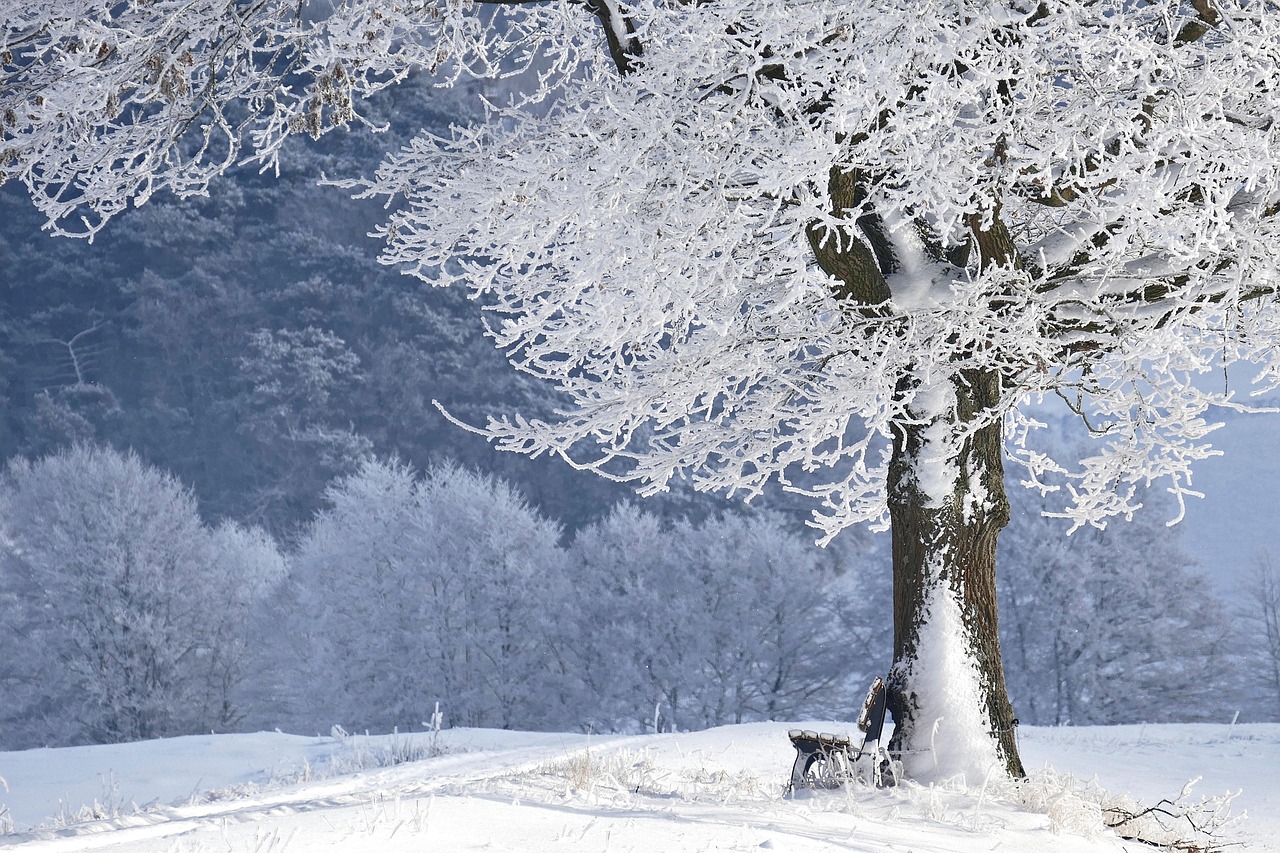
Winter is the season that separates a hobby from a commitment. In cold climates, a colony's survival depends less on how warm you can keep the bees and more on how well you manage moisture, food, and wind. Bees do not heat the whole hive. They cluster tightly around the queen and generate warmth by shivering their flight muscles, and the cluster slowly moves across the comb to reach stored honey. Your job is to make that movement as easy as possible and to keep the inside of the hive dry.
Food comes first. A colony needs roughly sixty to eighty pounds of honey to make it through a long winter, and a deep box holds about that much when full. In late summer and early fall, check the upper boxes and estimate what is there. If stores are light, feed heavy syrup while the weather is still warm enough for the bees to process and cap it. Once temperatures drop and the bees are clustered, they cannot take syrup, so the window closes earlier than most new beekeepers expect. A candy board or fondant placed over the cluster can serve as emergency food in late winter.
Moisture Is the Real Enemy
More colonies die from damp than from cold. Bees produce water vapor as they metabolize honey, and in a sealed box that moisture condenses on the ceiling and drips onto the cluster. A cold, wet bee is a dead bee. The fix is ventilation combined with insulation. A small upper entrance or a screened notch near the top of the hive gives warm, moist air somewhere to go, and an absorbent layer above the inner cover, such as a quilt box filled with wood shavings, soaks up what does not escape. Tilt the hive slightly forward so any condensation that forms runs toward the entrance rather than pooling over the cluster.
Wind protection matters almost as much. A hive in an exposed, windy spot loses heat faster than one sheltered by a fence, hedge, or windbreak. You do not need to wrap a hive in plastic, and in fact a tightly wrapped box can trap moisture and cause more harm than good. A simple windbreak on the prevailing wind side, plus a dry, level stand, does most of the work. Some beekeepers add a black tar paper wrap for solar gain, but it should never seal the hive.
Final Checks Before the Cold Sets In
Before the first hard freeze, do a last inspection on a mild day. Confirm the queen is still laying at least a little, check that the cluster has honey within reach, and reduce the entrance so mice and drafts stay out. Remove empty supers so the bees have less space to heat, and make sure the hive is strapped or weighted down against winter winds. Then, the hardest part: leave them alone. Every time you open a hive in cold weather, you break the cluster and let heat escape.
On mild days in late winter, you can take a quick peek from outside, listen for the hum, and clear any dead bees from the entrance. If the colony is alive and dry, it is doing the work. Come spring, a strong overwintered colony is worth more than any package you can buy, and the bees that made it through will reward you with a fast start on the new season.






Prepare your colony for the cold months with practical steps for moisture control, food stores, and wind protection.
The color, flavor, and texture of your honey depend on what your bees foraged, and that changes with every season.
Your first warm-day inspection sets the tone for the whole season, so here is how to read the cluster, the brood, and the stores without disturbing your bees more than necessary.
Swarm season catches new beekeepers off guard, but a few well-timed management moves can keep your colony home and still let it grow.
From uncapping to bottling, a calm and organized extraction day makes the sticky work far easier and protects the quality of your honey.