
Spring Hive Inspection: What to Look For After Winter
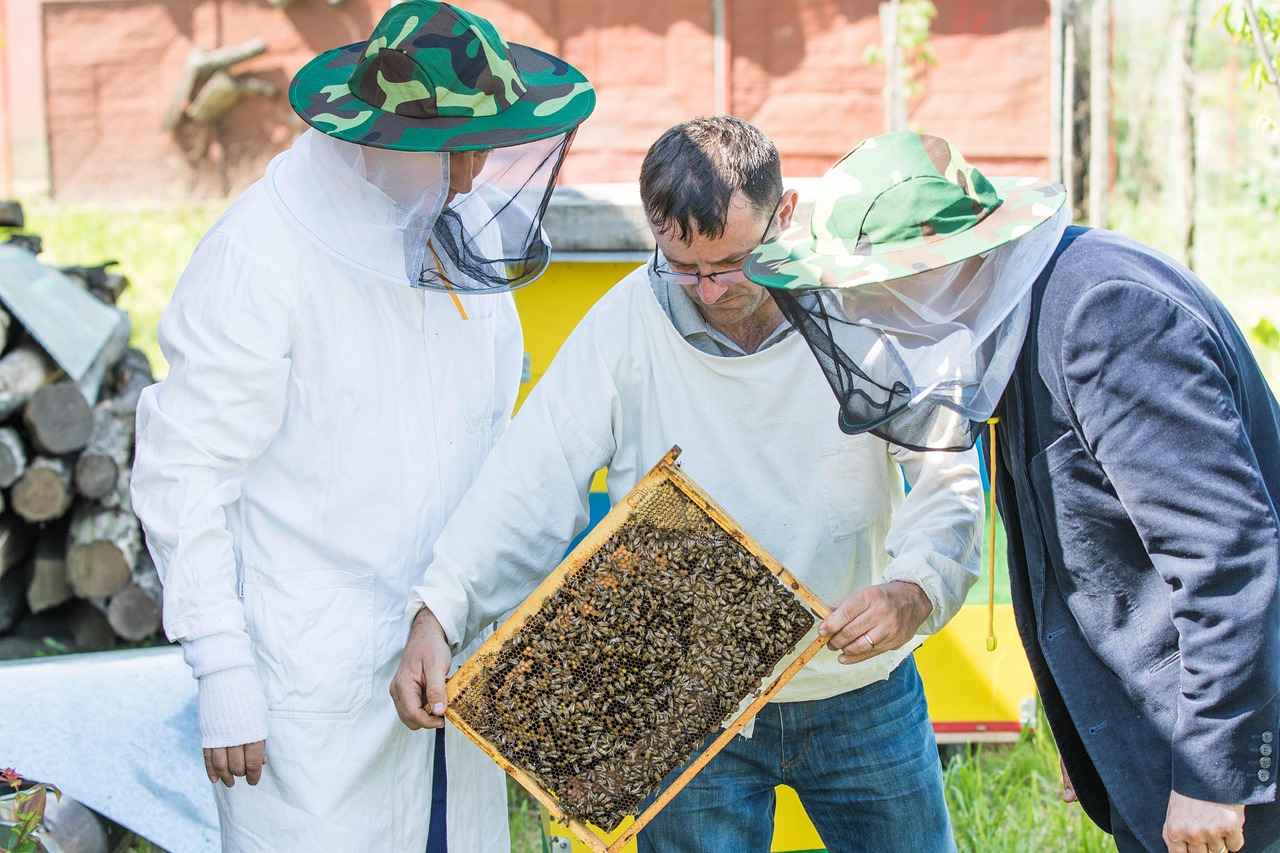
The first warm day of late winter or early spring is one of the most anticipated moments in a beekeeper's year. The bees are flying, the snow is melting, and you finally get to open the hive and see what survived. But this inspection is also one of the most consequential. A colony coming out of winter is fragile, and how you handle this visit can shape whether it builds up strong or stalls out in April.
Pick a calm, sunny day when the temperature is at least in the low fifties Fahrenheit, ideally warmer. Bees break cluster to fly around 50°F, and you want them active enough to move away from frames you lift rather than clustering tight and getting crushed. Keep the visit short. You are gathering information, not rearranging the furniture.
Reading the Cluster and the Brood
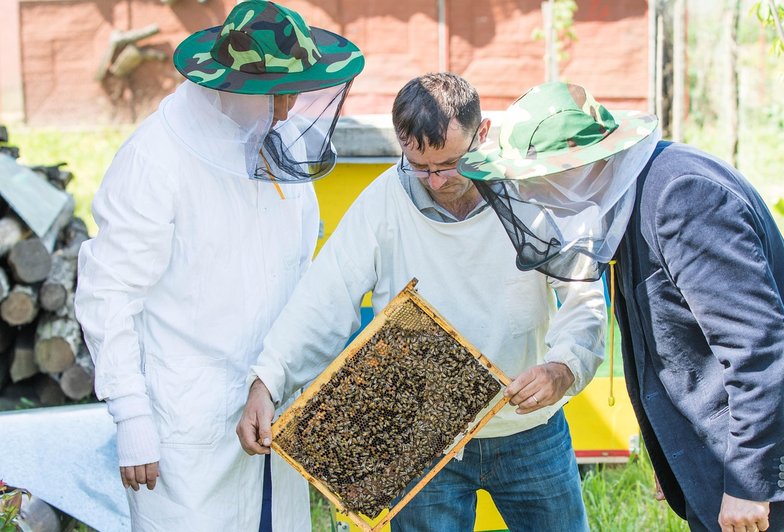
Lift the outer cover and inner cover gently and look at the top bars first. If you see bees spread across several frames rather than bunched in one tight ball, that is a good sign of a reasonably sized cluster. A cluster the size of a softball in late winter is a warning sign, though not necessarily a death sentence.
When you pull frames, work from the outside in. The outermost frames are usually empty or hold a bit of honey, so they are safe to remove and set aside. As you move toward the center, look for the brood nest. In early spring the queen begins laying in a patch roughly the size of your palm, often surrounded by a ring of stored pollen and capped honey. A compact brood pattern with few skipped cells suggests a healthy queen. A scattered, shotgun pattern can mean an aging queen, disease, or chilled brood, and it is worth noting for a possible requeen later in the season.
Look for eggs, which are tiny white specks standing upright in the bottom of cells. Eggs confirm the queen is present and laying right now, which is far more useful than spotting her directly. If you cannot find eggs, look for young larvae curled in royal jelly. No eggs and no young larvae in a colony that should be building up is a red flag that you may need to add a queen or combine with another hive.
Assessing Stores and Taking Notes
Winter stores are often nearly gone by the time spring inspections begin, and a colony can starve in March even after surviving January. Heft the hive from the back, or better, check frames directly for capped honey. You want to see several pounds of stores remaining. If the hive feels light and you find little honey, feed a light sugar syrup to carry them until dandelions and fruit trees bloom.
Also check the bottom board or screened bottom for debris. A small amount of wax cappings and a few dead bees is normal. A large pile of dead bees, especially with deformed wings, could point to a problem worth investigating. Moisture is another killer; if the inner cover is soaked or you smell a sour, fermented odor, improve ventilation before the next cold snap.
Finally, write it down. Note the date, temperature, cluster size, frames of brood, frames of stores, queen signs, and anything unusual. A simple notebook or a note on your phone beats memory every time. Comparing this spring's notes to last year's tells you more about your apiary than any general advice ever could. Your bees will tell you what they need if you learn to read the signs, and the spring inspection is where that conversation starts.



Your first warm-day inspection sets the tone for the whole season, so here is how to read the cluster, the brood, and the stores without disturbing your bees more than necessary.
Swarm season catches new beekeepers off guard, but a few well-timed management moves can keep your colony home and still let it grow.
From uncapping to bottling, a calm and organized extraction day makes the sticky work far easier and protects the quality of your honey.
Feeding is one of the most misunderstood parts of beekeeping, so here is a plain guide to syrup ratios, timing, and knowing when to stop.
Varroa mites quietly weaken colonies all season long, and a simple monthly monitoring habit is the best defense you have.