




Varroa Mites: A Backyard Beekeeper's Monitoring Routine
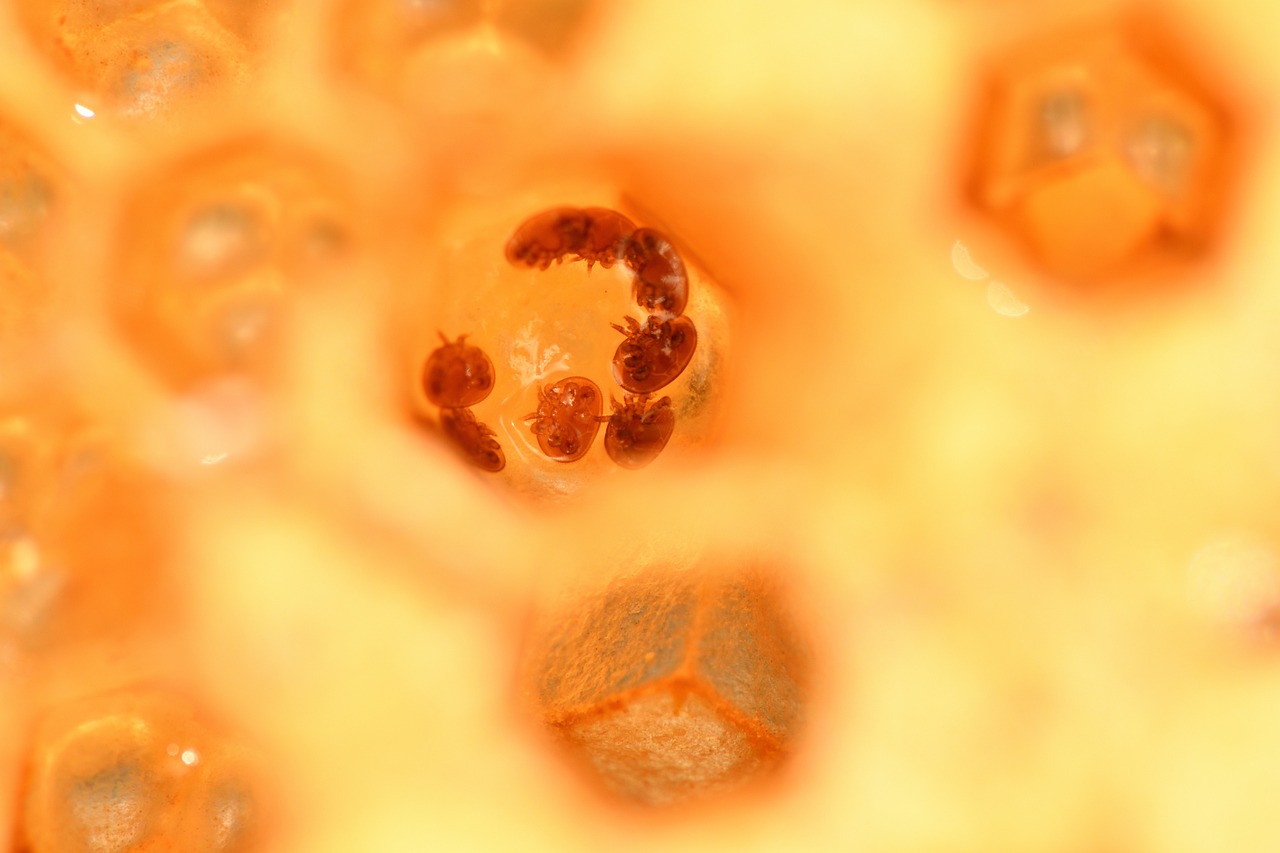
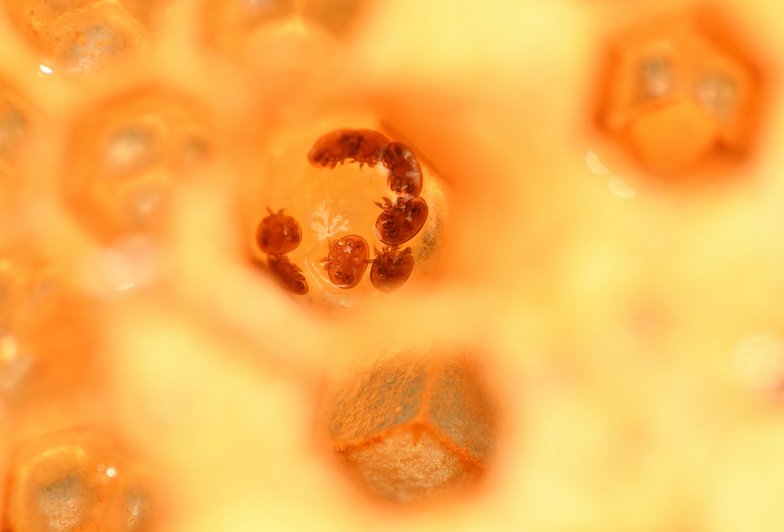
Ask experienced beekeepers what kills the most colonies, and most will not say bears, pesticides, or harsh winters. They will say varroa mites. These tiny parasites feed on bee fat bodies and spread viruses, and they are present in nearly every colony in most parts of the world. The good news is that mites are manageable. The bad news is that ignoring them almost always ends badly.
Varroa destructor reproduces inside capped brood cells, which is why mite populations explode during the brood-rearing season. In spring, mite numbers are low. By late summer, they can be enormous, and that is when colonies start showing symptoms: spotty brood, deformed wings, and bees crawling on the ground unable to fly. By the time you see those signs, the colony is often too far gone to save.
Monitoring Without Guesswork
The key is to monitor regularly instead of waiting for visible damage. Two methods work well for backyard beekeepers. The alcohol wash is the most accurate. You collect about three hundred bees from a brood frame, put them in a jar with alcohol, shake, and count the mites that fall off. Divide the mite count by three to get mites per hundred bees, which is your infestation rate. A rate above two or three percent in spring or above three percent in fall usually calls for treatment.
The sugar roll is a gentler alternative that lets the bees live. You shake bees in a jar with powdered sugar, which dislodges mites, then shake the sugar and mites through a screen and count. It is slightly less accurate than an alcohol wash but a good option for beekeepers who do not want to kill bees.
Whatever method you use, sample consistently. Check every four to six weeks during the active season, and always sample from a brood frame rather than the outer edges, where forager bees with fewer mites tend to be. Keep a log of your counts. Trends matter more than any single number.
Treatment Options and Timing
When counts cross your threshold, treat. There are several options, and the right one depends on the season, temperature, and whether you have honey supers on the hive. Formic acid products work in cooler weather and penetrate capped brood, which makes them useful in late summer. Oxalic acid, applied by vaporization or dribble, is effective when the colony is broodless, such as late fall or winter. Thymol-based products work in warmer temperatures but cannot be used with honey supers. Synthetic options like amitraz are effective but should be rotated to avoid resistance.
Always follow label directions exactly. Off-label use can harm bees, contaminate honey, or fail to control mites. Remove honey supers when the product requires it, and respect withdrawal periods.
Breeding for mite resistance is a longer-term strategy, and some beekeepers use screened bottom boards, drone brood removal, or powdered sugar dusting as part of an integrated approach. None of these alone is enough, but together with monitoring and timely treatment, they can keep mite pressure down.
The takeaway is simple. Do not wait for sick bees. Sample, record, and treat when numbers say so. A colony that stays ahead of varroa stays strong, and strong colonies are the ones that make it through winter and reward you with a full harvest.
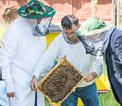
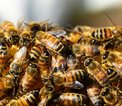
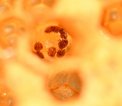

Varroa mites quietly weaken colonies all season long, and a simple monthly monitoring habit is the best defense you have.
A practical comparison of the three most common backyard hive styles, and how to pick the one that fits your space, budget, and beekeeping goals.
Learn what healthy brood, capped honey, and a good laying pattern actually look like so you can spot trouble before it becomes a crisis.
How to site, screen, and manage a hive on a small lot without annoying the neighbors or stressing the colony.
Prepare your colony for the cold months with practical steps for moisture control, food stores, and wind protection.