


Reading Frames Like a Book: A Beginner's Guide to Hive Inspections

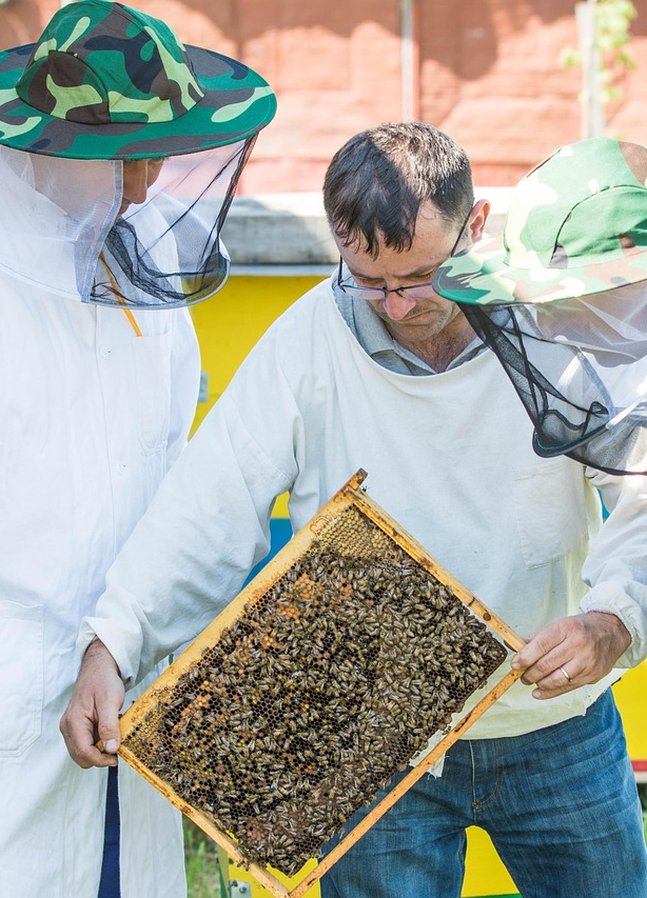
Pulling a frame out of a hive can feel overwhelming at first. There is a lot going on in a small space, and everything seems to be moving. But experienced beekeepers are not doing anything magical. They are reading the same handful of signals over and over, and once you learn what those signals mean, inspections become calm and even enjoyable. The goal is not to memorize a checklist. It is to understand what a healthy colony looks like so that anything unusual stands out.
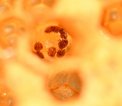
Start in the brood nest, usually in the middle of the lower box. A good queen lays in a tight, oval pattern, with brood of different ages side by side. You should see eggs, which look like tiny grains of rice standing upright in the bottom of cells, along with pearly white larvae curled in their cells and capped brood with a slightly domed, biscuit-colored cap. A patchy pattern, with lots of empty cells scattered through the brood, is a sign something is off, whether that is a failing queen, a disease, or simply the normal pause that happens during a dearth.
What Healthy Frames Look Like
Beyond the brood pattern, scan for the resources the colony needs to raise young and survive a dearth. You want to see frames of capped honey, often in the upper corners, and frames with pollen packed into cells in a rainbow of colors from pale yellow to deep orange. A colony with brood but no stored food is living hand to mouth and can starve in a single cold, rainy week. If you see very little honey and no incoming nectar, that is your cue to consider feeding.
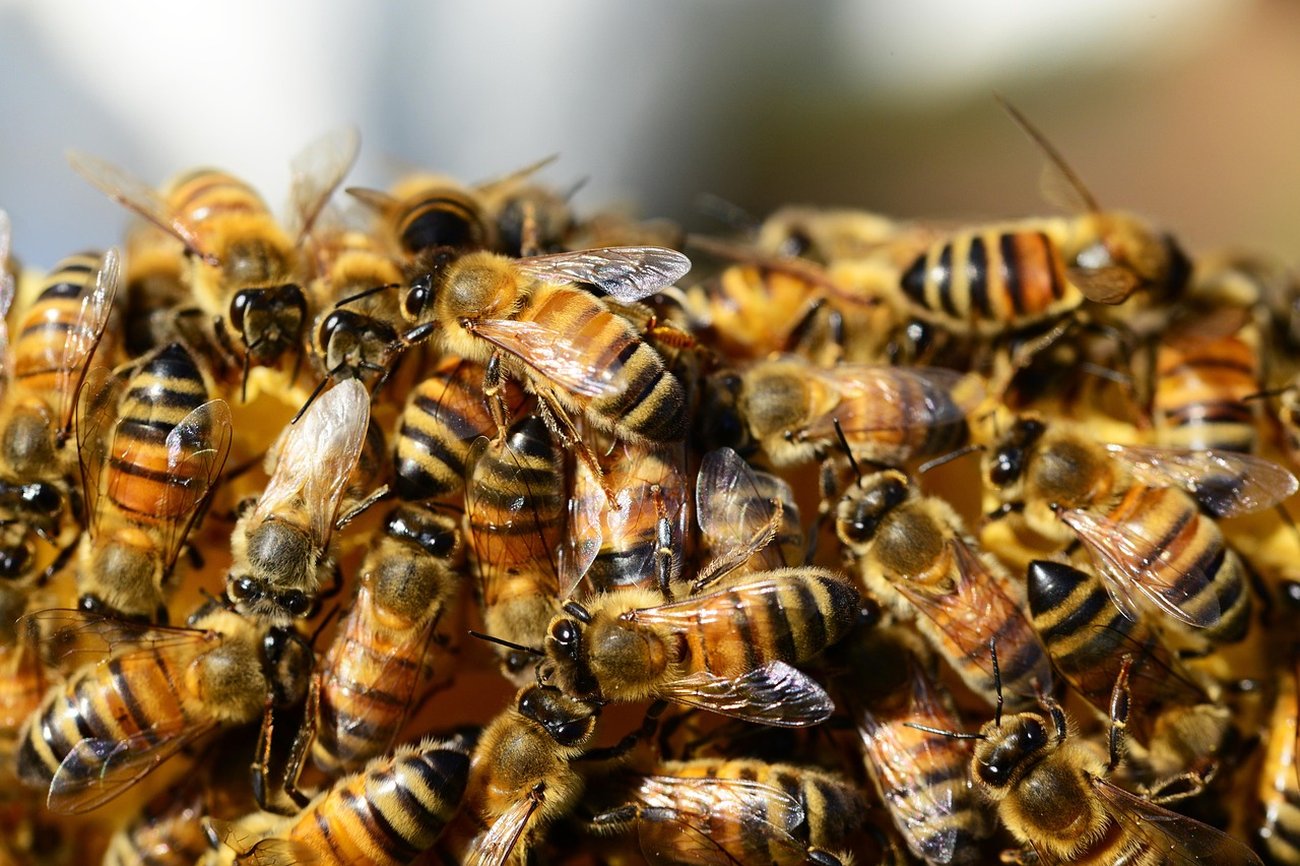
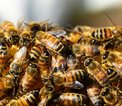
Also pay attention to the bees themselves. A queenright colony has a calm hum, and the workers move with purpose. If the bees are unusually defensive, boiling out of the box, or if you smell something sharp and unpleasant, stop and investigate. A sour, fermented odor can indicate a problem, and a colony that has suddenly become hot may be queenless or dealing with a pest. None of these are reasons to panic, but they are reasons to slow down and look more carefully before you close up.
Keeping Records That Actually Help
The single best habit you can build is a short written record after every inspection. You do not need an elaborate system. A notebook with the date, the weather, how many frames of brood you saw, whether you found the queen or fresh eggs, and any action you took will do. Over a season, those notes turn into a story. You will see when the nectar flow started, when the colony built up, and when it began to wind down for winter. Next year, you will know what to expect and when.
Finally, remember that inspections are a disturbance. Every time you open a hive, you break the propolis seals, let out heat, and disrupt the colony's work. Keep your visits purposeful and reasonably quick, work gently, and avoid opening hives in cold, wet, or windy weather. A beekeeper who inspects with a clear question in mind, and who knows what a healthy frame looks like, will do far more good than one who opens the box every sunny afternoon just to peek.

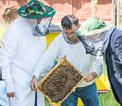
Learn what healthy brood, capped honey, and a good laying pattern actually look like so you can spot trouble before it becomes a crisis.
How to site, screen, and manage a hive on a small lot without annoying the neighbors or stressing the colony.
Prepare your colony for the cold months with practical steps for moisture control, food stores, and wind protection.
The color, flavor, and texture of your honey depend on what your bees foraged, and that changes with every season.
Your first warm-day inspection sets the tone for the whole season, so here is how to read the cluster, the brood, and the stores without disturbing your bees more than necessary.