



Choosing Your First Hive: Langstroth vs. Top Bar vs. Warre
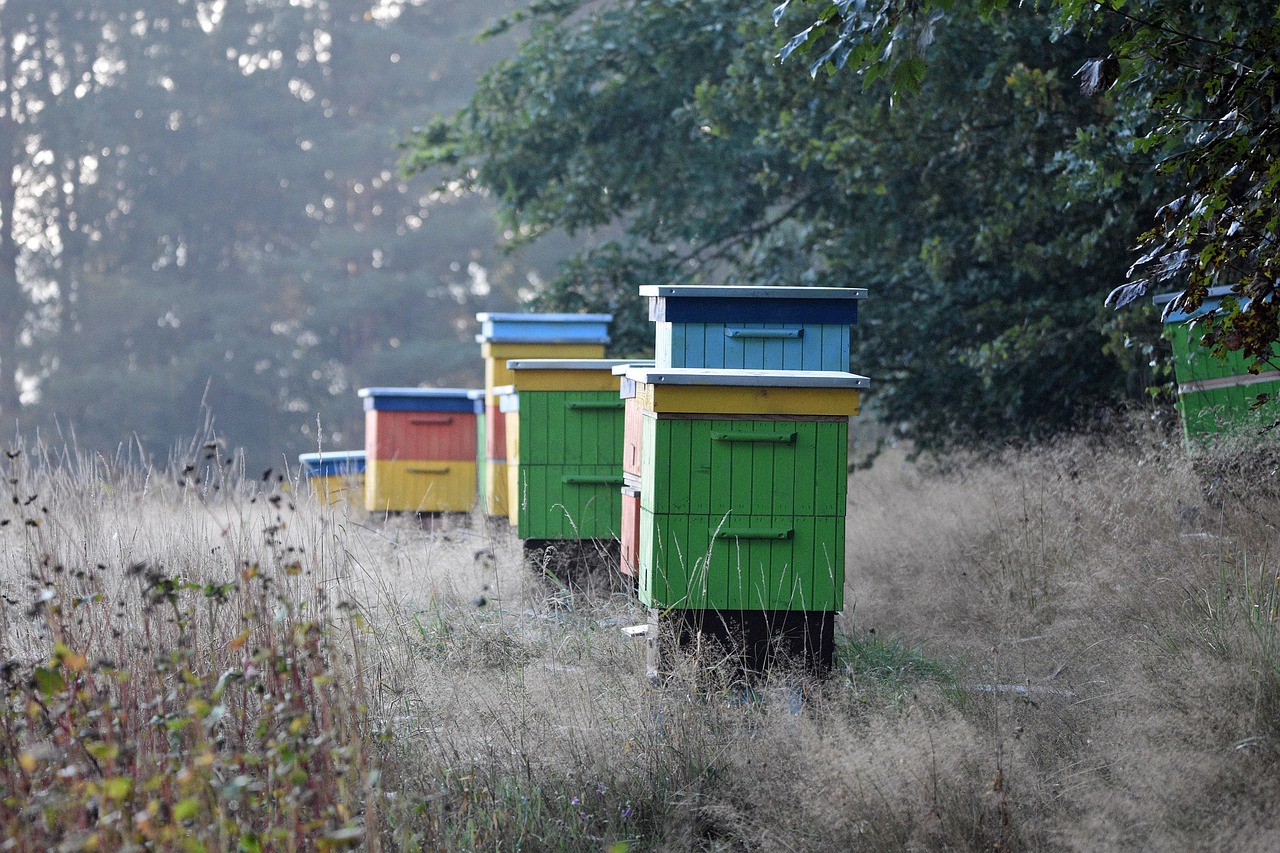
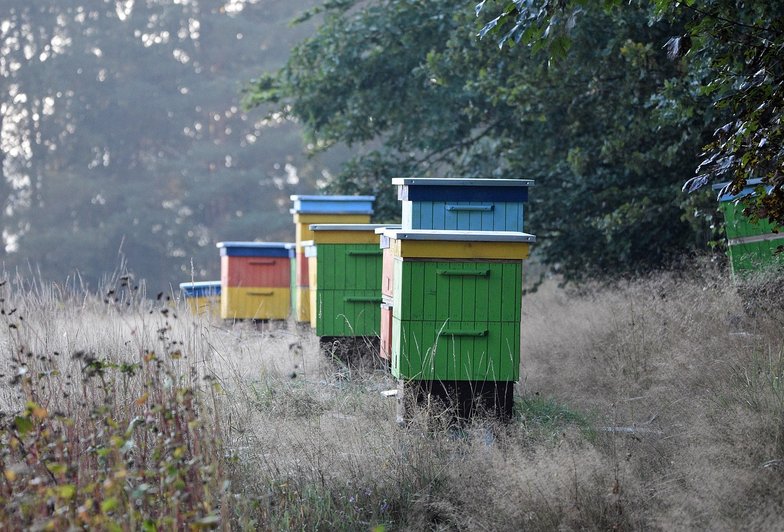
One of the first decisions a new beekeeper faces is also one of the most permanent: what kind of hive to buy. Unlike a smoker or a veil, a hive is a long-term commitment. You will be opening it for years, and its design shapes everything from how you inspect frames to how you harvest honey. The three styles you will see most often in backyard apiaries are the Langstroth, the top bar hive, and the Warre hive. Each has real strengths, and none is objectively best for everyone.
The Langstroth is the default for a reason. It uses standardized frames that lift out vertically, which makes inspections straightforward and lets you swap frames between colonies. Because the equipment is so widely produced, replacement parts, feeders, and extractors are easy to find, and most beekeeping classes assume you own one. The trade-off is weight: a deep box full of honey can weigh more than many people want to lift, and the cost of starting from scratch adds up quickly once you buy boxes, frames, foundation, and a stand.
Top Bar and Warre: Less Lifting, More Patience
A top bar hive is a single long trough with bars laid across the top. Bees draw comb downward from each bar, and you inspect by lifting one bar at a time. There is no heavy box to move, which makes it a favorite for beekeepers with back problems or small urban yards. The catch is that the bees build natural comb, which is more fragile than wired foundation, and you cannot spin it in a standard extractor. Most top bar harvests are crush-and-strain, which is simple but destroys the comb and asks the bees to rebuild.
The Warre hive sits somewhere in between. It stacks boxes like a Langstroth but uses top bars instead of frames, and it is managed with a hands-off philosophy that emphasizes letting the colony build downward at its own pace. Warre advocates argue it is closer to how bees live in a hollow tree. The downside is that inspections are more disruptive when you do them, and the harvest is usually smaller and less predictable than with framed hives.
Matching the Hive to Your Situation
Before you order anything, think honestly about three things: your back, your budget, and your tolerance for fiddling. If you want maximum flexibility, easy access to mentors, and the option to extract honey with rented equipment, a Langstroth is hard to beat. If you have a bad back, a small yard, or a strong preference for natural comb, a top bar hive can be a joy. If you like the idea of a low-intervention colony and do not mind a slower start, a Warre is worth a look.
It also helps to check what your local club uses. Beekeeping is much easier when the person down the road can lend you a spare box or a frame of brood in a pinch, and that kind of help usually comes with matching equipment. Whichever style you choose, buy from a reputable maker, assemble it carefully, and give it a coat of linseed oil or exterior paint on the outside only. A hive that is square, sturdy, and weather-tight will serve you and your bees for many seasons, and the bees themselves are remarkably adaptable as long as the box keeps the rain out and the drafts down.




A practical comparison of the three most common backyard hive styles, and how to pick the one that fits your space, budget, and beekeeping goals.
Learn what healthy brood, capped honey, and a good laying pattern actually look like so you can spot trouble before it becomes a crisis.
How to site, screen, and manage a hive on a small lot without annoying the neighbors or stressing the colony.
Prepare your colony for the cold months with practical steps for moisture control, food stores, and wind protection.
The color, flavor, and texture of your honey depend on what your bees foraged, and that changes with every season.