


Feeding Bees: Sugar Syrup Ratios and When to Use Them
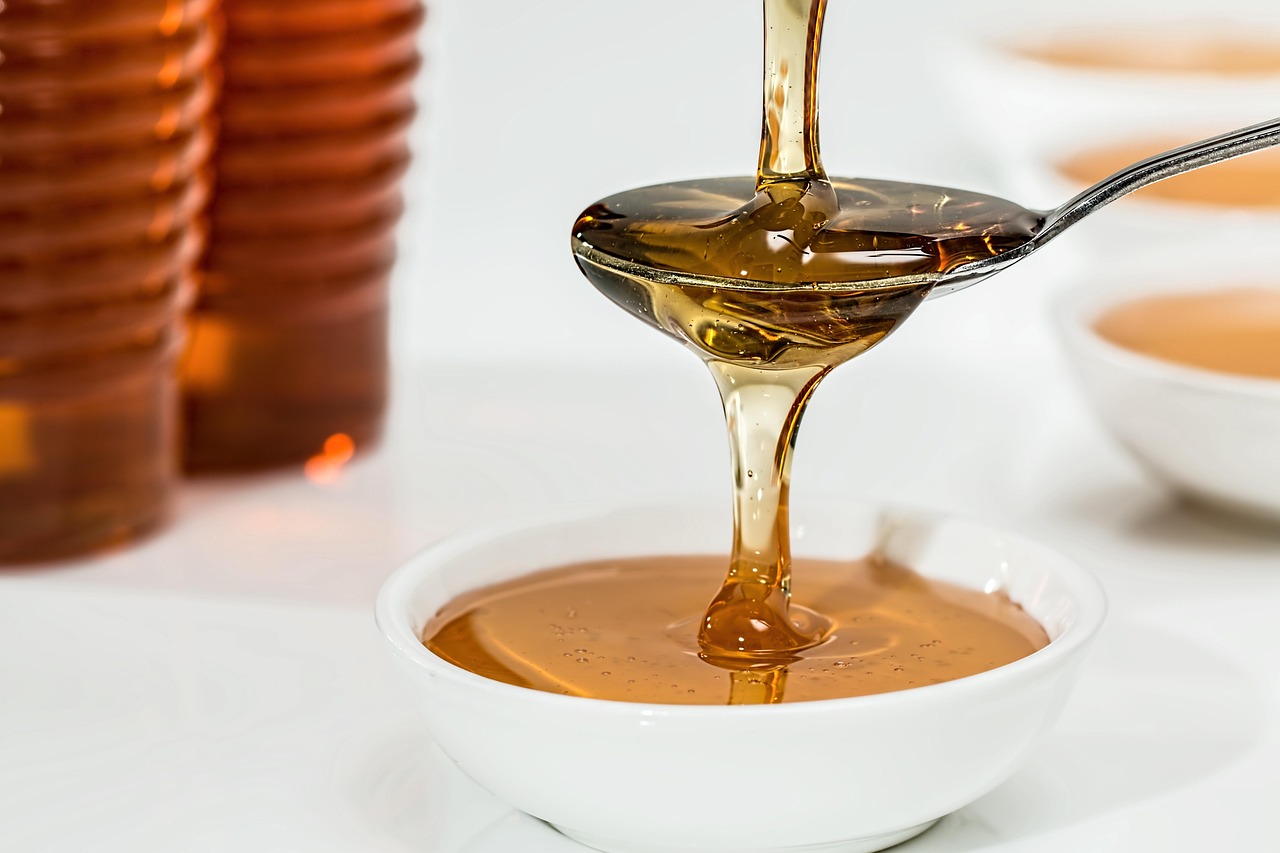
Walk into any beekeeping supply shop and you will find feeders of every shape and size, along with bags of sugar and bottles of supplements. Feeding is a normal part of beekeeping, but it is also easy to overdo. Bees are foragers first, and the best food for a colony is the nectar and pollen it gathers itself. Feeding is a tool for specific situations, not a year-round habit.
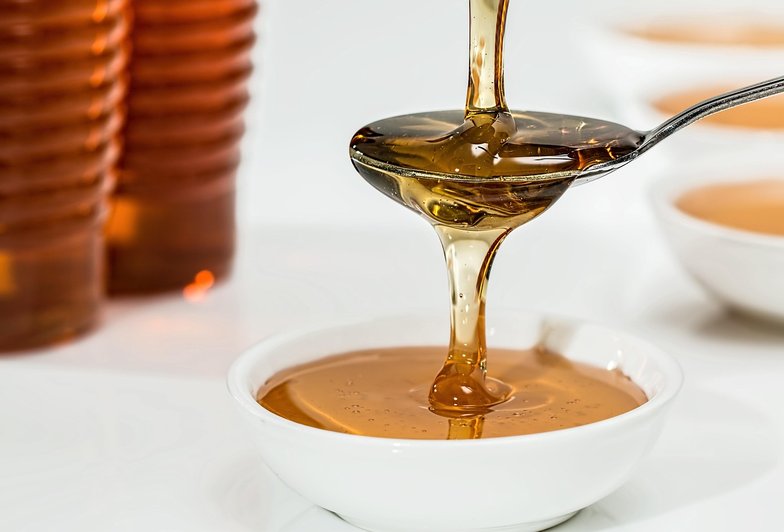
The two most common syrup ratios are one-to-one and two-to-one, by weight or volume depending on who you ask. A one-to-one mix is roughly equal parts sugar and water. A two-to-one mix is two parts sugar to one part water. The difference matters because it mimics different nectar flows and serves different purposes.
One-to-One for Stimulation
One-to-one syrup is thin and light, similar to spring nectar. Beekeepers use it in early spring to stimulate brood rearing and help a colony build up, and in late summer or early fall to encourage the queen to keep laying. It is also the go-to for feeding a newly installed package or a small nucleus colony that needs to draw comb.
To make it, dissolve sugar in warm water, never boiling, and stir until clear. Boiling can caramelize the sugar and create compounds that are hard on bee digestion. Let it cool before putting it in the feeder. Add a tiny splash of apple cider vinegar if you like, though it is optional and not a substitute for cleanliness.
Feed inside the hive whenever possible. Entrance feeders are convenient, but they can trigger robbing, especially during a dearth. A top feeder or an internal frame feeder keeps the syrup close to the cluster and away from other colonies. Always use a feeder that lets bees access the syrup without drowning, and check it regularly. Fermenting syrup grows mold and can make bees sick.
Two-to-One for Winter Stores
Two-to-one syrup is thicker and heavier, closer to the consistency of stored honey. Beekeepers feed it in late summer and fall to help colonies build up winter stores, especially in regions where the fall flow is unreliable. Because it is concentrated, bees have less water to evaporate, which saves them energy and reduces moisture problems in the hive.
Feed two-to-one only when the colony needs it. If your bees already have plenty of capped honey going into fall, adding syrup can crowd the brood nest and leave them with too much sugar syrup and not enough natural stores. Weigh the hive or check frames to know where you stand. A colony in a cold climate typically needs somewhere between sixty and eighty pounds of stored honey to make it through winter, depending on the severity of the season.
Stop feeding when the colony has enough stores or when cold weather arrives and bees can no longer process syrup. Feeding in freezing temperatures can lead to moisture buildup and dysentery, and syrup that bees cannot ripen will ferment in the comb. If you must feed in winter, use fondant or dry sugar instead.
Above all, keep records. Note what you fed, when, and how much, and compare it to how the colony performs. Over a few seasons you will learn your local flows and your bees' needs, and feeding will become a precise tool rather than a guess.


Feeding is one of the most misunderstood parts of beekeeping, so here is a plain guide to syrup ratios, timing, and knowing when to stop.
Varroa mites quietly weaken colonies all season long, and a simple monthly monitoring habit is the best defense you have.
A practical comparison of the three most common backyard hive styles, and how to pick the one that fits your space, budget, and beekeeping goals.
Learn what healthy brood, capped honey, and a good laying pattern actually look like so you can spot trouble before it becomes a crisis.
How to site, screen, and manage a hive on a small lot without annoying the neighbors or stressing the colony.