




How to Prevent Swarming Without Splitting Every Hive
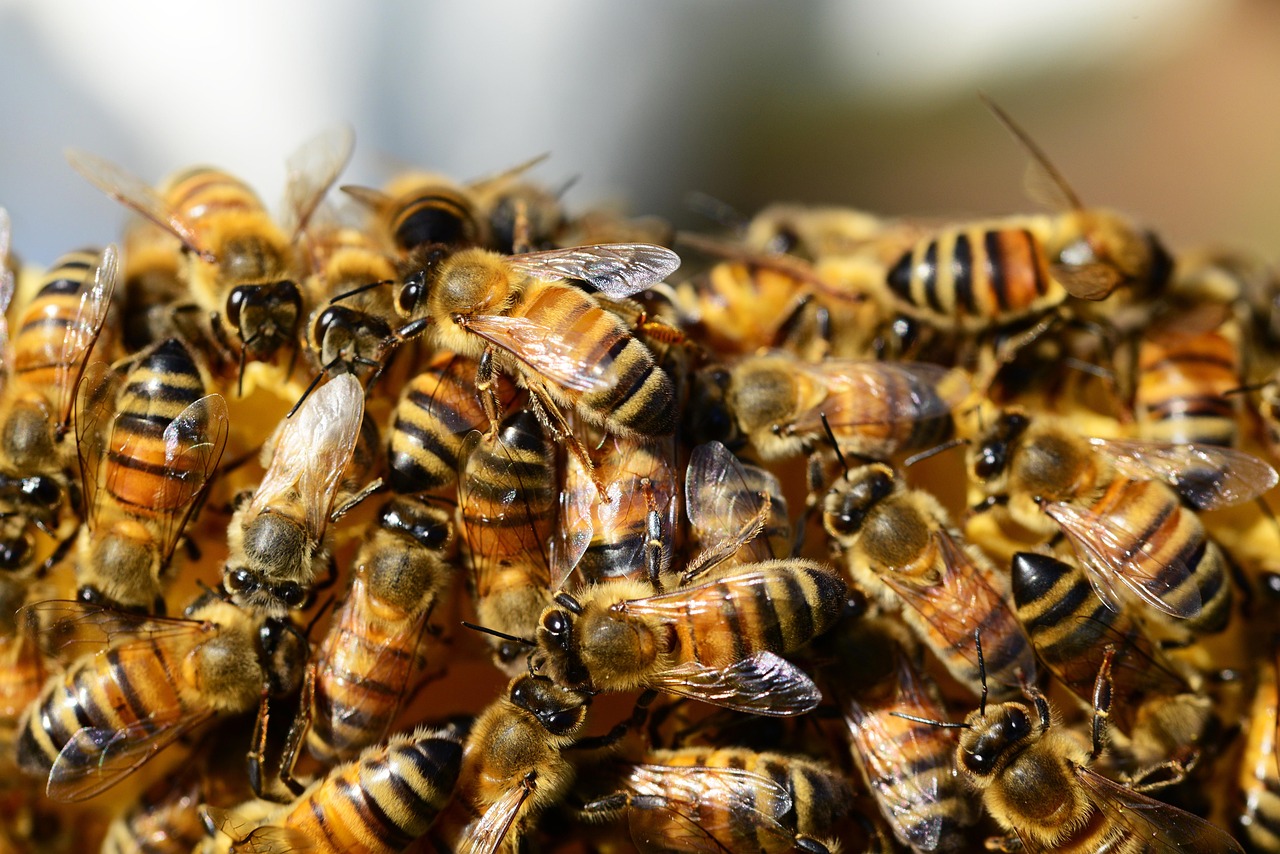
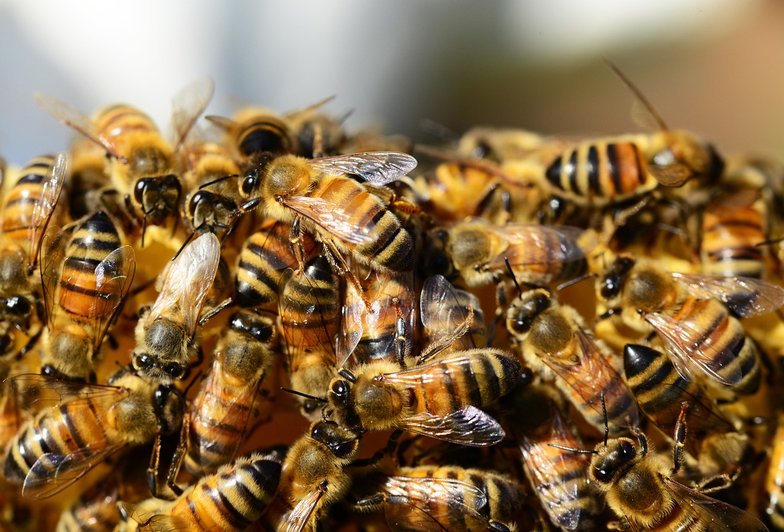
There is nothing quite like the sound of a swarm leaving a hive. It is a roar, a whirlwind of bees pouring out and gathering on a branch while scouts search for a new home. For the bees, it is reproduction at the colony level, a completely natural and healthy act. For the beekeeper, it means losing half your workforce, a aging queen, and a honey crop that just walked away.
Swarming usually happens in spring and early summer when the colony is booming, nectar is flowing, and the brood nest is crowded. The bees raise queen cells, the old queen leaves with roughly half the workers, and the remaining bees wait for a new queen to emerge and mate. You can usually spot the warning signs a week or two ahead: crowded brood frames, backfilling of the brood nest with nectar, and queen cups along the bottom edges of frames.
Give Them Room Before They Ask
The single most effective swarm prevention tool is space, given at the right time. Bees decide to swarm when the queen runs out of empty cells to lay in. If you add a box of drawn comb or foundation before the brood nest fills completely, you relieve that pressure. The trick is timing. Add too early and the bees may not use the space. Add too late, after you see charged queen cells, and they may swarm anyway.
During swarm season, inspect every seven to ten days. That interval matters because a queen cell is capped about eight days after the egg is laid, and colonies often swarm shortly after the first cells are capped. Weekly checks let you catch the signs before the decision is locked in.
If you find the brood nest crowded but no queen cells yet, you have options. You can add a super or a second brood box, rotate frames to open up the center of the nest, or remove a frame or two of capped brood and replace them with empty frames or foundation. Removing capped brood also removes bees that would soon emerge and add to the crowding, which buys you time.
When Swarm Cells Appear
Once you see charged queen cells, you are past simple prevention. The colony has committed. At this point you have a few choices. You can do a split, moving the old queen and some frames of brood and bees to a new box, which satisfies the urge to reproduce and gives you a new colony. You can also remove all but one or two queen cells and hope the colony settles, though this is less reliable and risks leaving them queenless if something goes wrong with the remaining cells.
Another approach is the Demaree method, where you move the queen to a new box on the bottom with mostly empty frames and place the brood above a queen excluder. The bees raise a new queen up top, and the colonies can later be reunited or split. It takes more equipment but works well for beekeepers who want to keep the genetics and avoid losing bees.
Whatever method you choose, remember that swarming is not a failure. It is a sign your colony is strong. With a little planning and a regular inspection rhythm, you can steer that energy into more hives and more honey instead of watching it disappear over the fence.







Swarm season catches new beekeepers off guard, but a few well-timed management moves can keep your colony home and still let it grow.
From uncapping to bottling, a calm and organized extraction day makes the sticky work far easier and protects the quality of your honey.
Feeding is one of the most misunderstood parts of beekeeping, so here is a plain guide to syrup ratios, timing, and knowing when to stop.
Varroa mites quietly weaken colonies all season long, and a simple monthly monitoring habit is the best defense you have.
A practical comparison of the three most common backyard hive styles, and how to pick the one that fits your space, budget, and beekeeping goals.