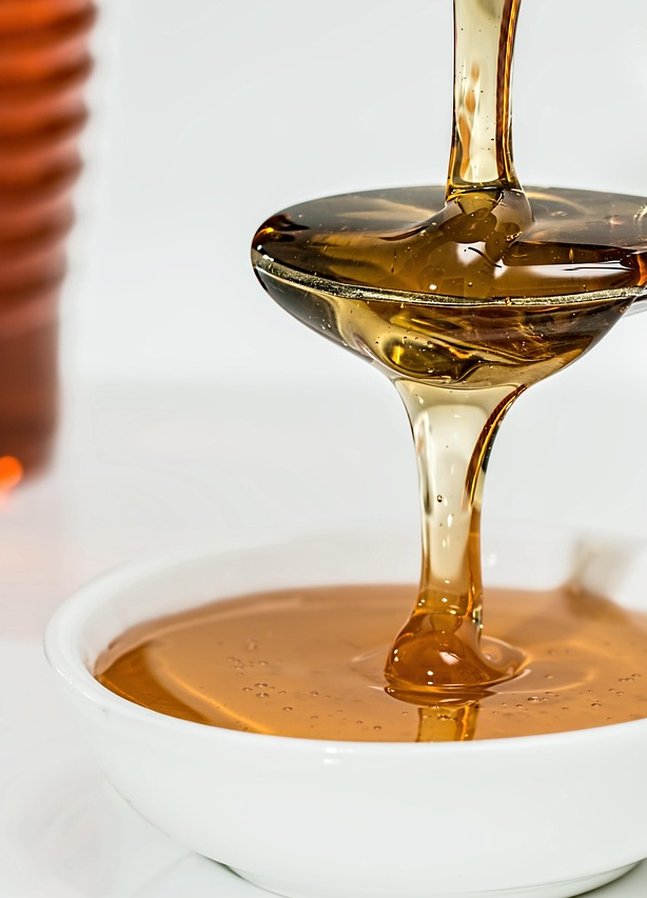
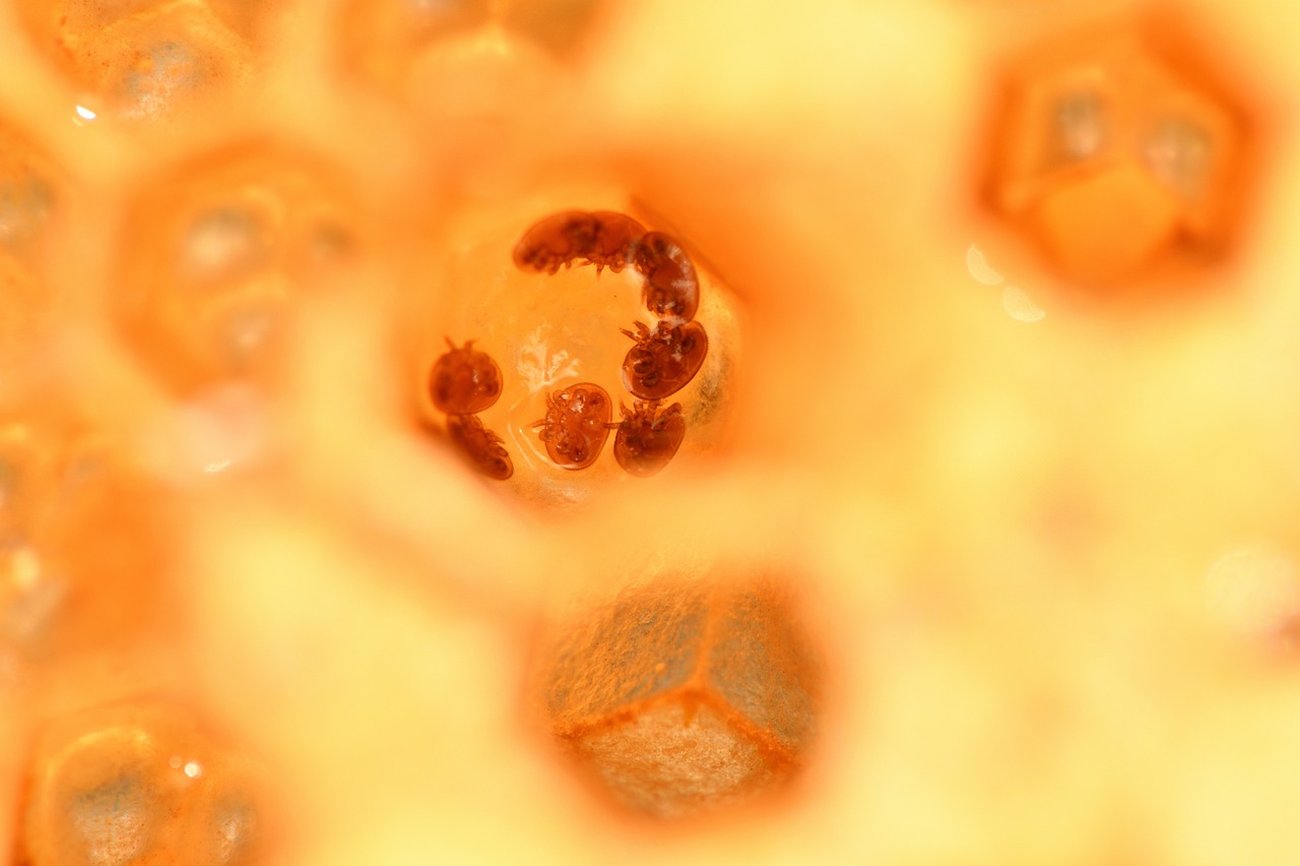

Honey Varieties: Why Your Jar Tastes Different Every Year
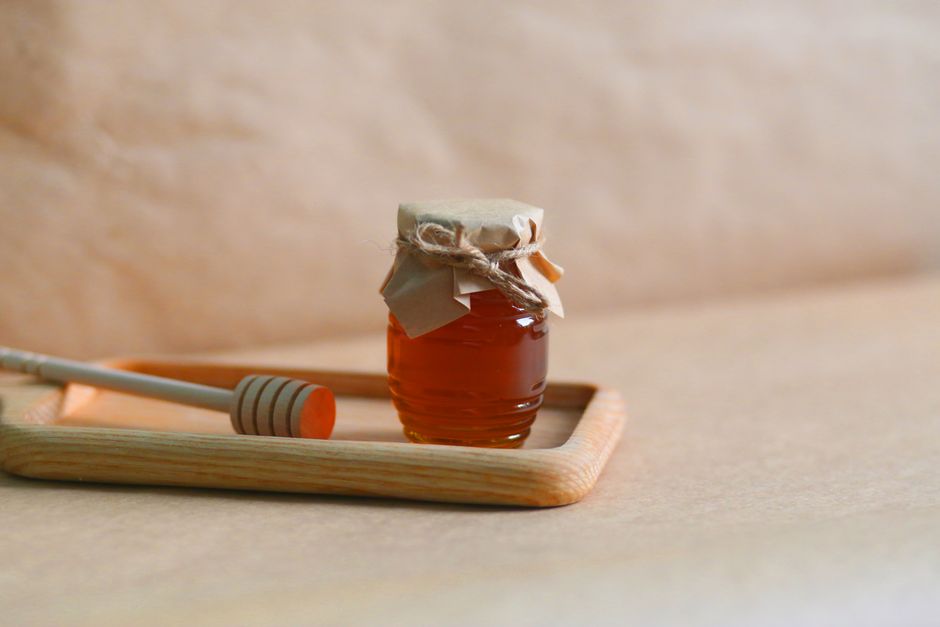
One of the quiet pleasures of backyard beekeeping is opening a jar of honey from your own hives and realizing it tastes nothing like the last one. That is not a mistake. Honey is a record of the landscape your bees worked, and the landscape changes from week to week. A spring harvest might be light, floral, and quick to crystallize, while a late-summer harvest from the same hive can be dark, malty, and slow to set. Understanding why helps you harvest at the right time and appreciate what you have.
Honey's character comes from the nectar source. Bees visit whatever is blooming in abundance within a few miles of the hive, and they tend to work the richest, most rewarding flowers first. In many areas, the first big flow comes from fruit trees, dandelions, and clover, producing a pale honey with a mild, buttery flavor. Later in the season, as those blooms fade, bees may turn to basswood, black locust, wildflowers, or in some regions, goldenrod and aster, which produce darker, more robust honey with a stronger finish.
Color, Flavor, and Crystallization
Color and flavor track closely. Light honeys tend to be delicate, and dark honeys tend to be bold, sometimes with notes of molasses, mint, or even something slightly savory. None of this is better or worse. It is simply different, and it is why beekeepers often label their jars by season or by the dominant bloom rather than as a generic batch.
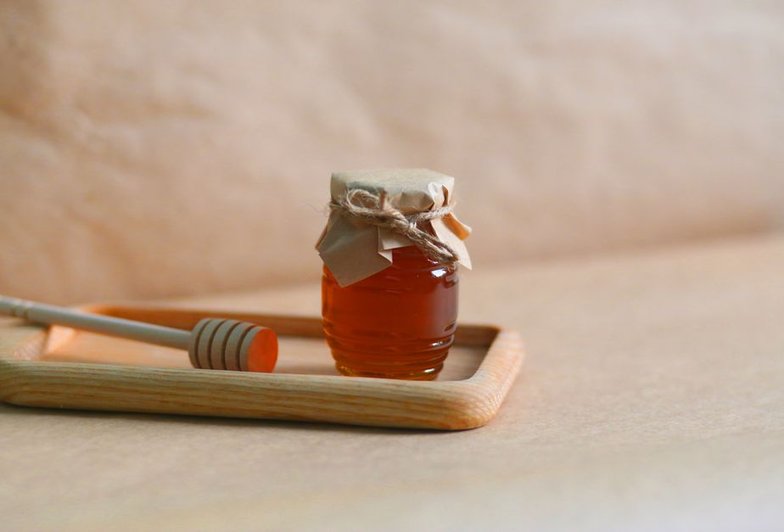
Crystallization is another variable, and it surprises new beekeepers more than anything else. Honey is a supersaturated sugar solution, and over time the glucose in it naturally forms crystals. Some honeys crystallize within weeks, while others stay liquid for a year or more. Crystallization is not a sign of spoilage, and it is not a sign of added sugar. It is a sign of real honey. If you prefer it liquid, set the jar in a bowl of warm water and stir gently. Do not microwave it, and do not boil it, because high heat darkens the honey and drives off the delicate aromatics that make it special.
Harvesting for the Honey You Want
You have some control over what ends up in your jars. If you want a light, mild honey, pull supers as soon as the spring flow ends and the frames are capped. If you prefer a darker, more complex honey, leave the supers on through the summer wildflower bloom and harvest later, as long as you leave enough for the bees. Many beekeepers take a spring crop and a fall crop, which gives them two very different honeys from the same hive in a single year.
Always harvest only fully capped frames, since uncapped honey is not yet ripe and can ferment. Keep your extraction area clean, strain the honey to remove wax and debris, and let it settle before jarring. Then label each batch with the date and, if you know it, the dominant bloom. Over a few seasons you will build a small library of your own local honey, each jar a snapshot of a particular summer. That is something no store-bought bottle can offer.
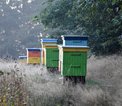


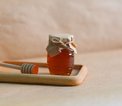
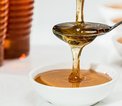
The color, flavor, and texture of your honey depend on what your bees foraged, and that changes with every season.
Your first warm-day inspection sets the tone for the whole season, so here is how to read the cluster, the brood, and the stores without disturbing your bees more than necessary.
Swarm season catches new beekeepers off guard, but a few well-timed management moves can keep your colony home and still let it grow.
From uncapping to bottling, a calm and organized extraction day makes the sticky work far easier and protects the quality of your honey.
Feeding is one of the most misunderstood parts of beekeeping, so here is a plain guide to syrup ratios, timing, and knowing when to stop.