




Small-Space Beekeeping: Keeping Hives in a Suburban Yard

You do not need acreage to keep bees. Some of the most productive hives in the country sit in suburban backyards on lots a quarter acre or smaller. Bees are remarkably good at finding forage in the patchwork of gardens, parks, and roadside plantings that make up a residential neighborhood. What small-space beekeeping does require is a bit more thought about placement, screening, and neighbor relations. Get those right, and a hive can be a quiet, welcome addition to the block.
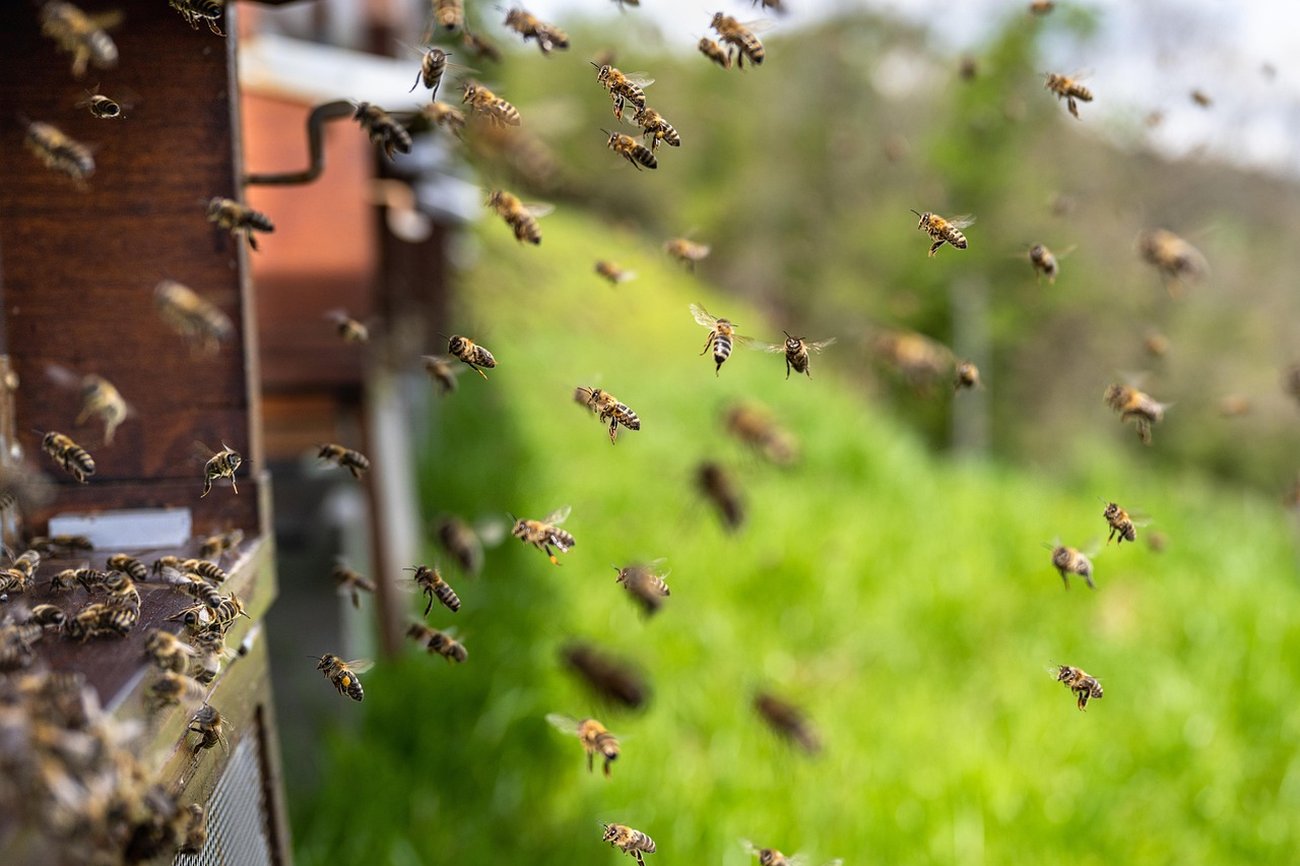
The first consideration is the flight path. Bees leave the hive and climb steeply, so if you can point the entrance toward a fence, hedge, or the side of a shed, the bees will rise above head height within a few feet of the box. That simple trick keeps them out of the neighbor's patio space and out of the path of anyone walking through your own yard. If a solid barrier is not possible, a tall screen of lattice or shade cloth works nearly as well and costs very little.
Water, Sun, and the Neighbor Conversation
Bees need water, and in a dry summer they will find the nearest source, which is often a swimming pool, a birdbath, or a leaky hose bib. Save yourself and your neighbors a lot of grief by providing a shallow, reliable water source close to the hive. A tray with pebbles or floating cork so bees can land without drowning works well, and once they learn it, they tend to stick with it. Refill it consistently, especially in hot weather, because a colony that loses its water source will go looking for another.
Morning sun on the entrance gets the colony moving early and helps with humidity inside the box. Afternoon shade, especially in hotter regions, keeps the hive from overheating during the worst of the summer. A spot that gets sun until midday and dappled shade in the afternoon is close to ideal. Also make sure the hive sits level and a few inches off the ground on a sturdy stand, with the entrance clear of tall grass. You want good airflow underneath and no damp vegetation touching the box.
Being a Good Neighbor
Talk to the people next door before the bees arrive, not after. Most concerns come from surprise, not from bees themselves, and a short, friendly conversation goes a long way. Explain that honeybees are different from wasps, that they are focused on flowers and water, and that you have placed the hive to send them up and away. Offering a jar of honey at the end of the season has settled more disputes than any fence ever built.
Keep your colony gentle by requeening from calm stock if a hive turns defensive, and avoid opening the box when neighbors are entertaining in the yard. Manage swarming so the colony does not send a cloud of bees through the neighborhood, and keep the area around the hive tidy. With a little planning, a suburban hive can thrive quietly for years, producing honey, pollinating the local gardens, and giving you a front-row seat to one of nature's best shows.





How to site, screen, and manage a hive on a small lot without annoying the neighbors or stressing the colony.
Prepare your colony for the cold months with practical steps for moisture control, food stores, and wind protection.
The color, flavor, and texture of your honey depend on what your bees foraged, and that changes with every season.
Your first warm-day inspection sets the tone for the whole season, so here is how to read the cluster, the brood, and the stores without disturbing your bees more than necessary.
Swarm season catches new beekeepers off guard, but a few well-timed management moves can keep your colony home and still let it grow.